As an international student, balancing academic responsibilities with part-time work is a rewarding yet challenging endeavor. This guide provides practical strategies for time management, understanding visa restrictions, and leveraging efficient study techniques to help you thrive both in the classroom and at your job. Drawing on official resources and expert advice, we’ll navigate the legal landscape and share actionable tips to maintain your well-being and academic standing.
Understanding Visa Work Restrictions
Before seeking employment, it’s crucial to understand the work limitations tied to your student visa. Regulations vary by country, and violating them can lead to serious consequences, including visa revocation. Below is a summary of key rules for popular study destinations:
| Country | Work Hours (During Term) | Work Hours (Breaks) | Key Restrictions |
|---|---|---|---|
| United States (F-1 Visa) | Up to 20 hours/week on-campus only | Full-time on-campus; off-campus requires authorization (e.g., CPT, OPT) | Off-campus work without authorization is illegal. See USCIS for details. |
| United Kingdom (Student Visa) | Up to 20 hours/week during term | Full-time during holidays | Work must not interfere with studies; some courses restrict work. Check UKCISA for updates. |
| Australia (Student Visa subclass 500) | Up to 48 hours per fortnight (approx. 24 hours/week) | Unlimited during scheduled breaks | Work hours relaxed until 30 June 2023 due to COVID; now reverted. See Department of Home Affairs for current rules. |
| Canada (Study Permit) | Up to 20 hours/week off-campus during regular sessions | Full-time during scheduled breaks | Must be enrolled full-time; on-campus work has no hour limit. Refer to IRCC for specifics. |
| New Zealand (Student Visa) | Up to 20 hours/week if course meets criteria | Full-time during holidays | Some programs allow full-time work during breaks. See Immigration NZ for eligibility. |
Note: Always verify with official government sources, as policies can change. The information above is based on 2023-2024 guidelines.
Time Management Strategies for Student Workers
Balancing lectures, assignments, and work shifts demands disciplined time management. Here are proven techniques to stay on top of your commitments:
1. Prioritize with the Eisenhower Matrix
Categorize tasks into four quadrants: urgent and important, important but not urgent, urgent but not important, and neither. Focus on high-impact academic work (e.g., exam prep) while delegating or scheduling less critical tasks. This method, popularized by productivity experts, helps prevent last-minute cramming.
2. Use a Digital Calendar and Block Scheduling
Sync your class timetable, work shifts, and study blocks in a digital calendar like Google Calendar or Outlook. Color-code activities to visualize your week. Block scheduling—allocating fixed time slots for specific tasks—reduces decision fatigue and ensures consistent progress on assignments.
3. Apply the Pomodoro Technique
Study in focused 25-minute intervals followed by 5-minute breaks. This technique, developed by Francesco Cirillo, enhances concentration and prevents burnout. Use apps like Forest or Focus Keeper to stay on track.
4. Set SMART Goals
Define Specific, Measurable, Achievable, Relevant, and Time-bound goals for both academics and work. For example, “Complete the first draft of my research paper by Friday, studying 2 hours daily” is more actionable than “work on paper.”
Efficient Study Techniques for Time-Pressed Students
When juggling work, maximizing study efficiency is key. Adopt these evidence-based methods to learn faster and retain more:
Active Recall and Spaced Repetition
Instead of passive re-reading, test yourself on material regularly. Use flashcards (e.g., Anki) that leverage spaced repetition algorithms to reinforce knowledge over time. Research shows this significantly improves long-term retention.
The Feynman Technique
Explain concepts in simple terms as if teaching a child. Identify gaps in your understanding and revisit the source material. This deepens comprehension and highlights areas needing review.
Optimize Your Study Environment
Minimize distractions by studying in a quiet library or using noise-canceling headphones. Keep your workspace organized and use website blockers (e.g., Freedom) to avoid social media during study sessions.
Leverage Campus Resources
Many universities offer academic support services like writing centers, tutoring, and workshops on study skills. For example, the University of California Berkeley’s Student Learning Center provides free resources to enhance learning strategies.
Finding Legitimate Part-Time Work
Securing a job that fits your schedule and visa conditions requires proactive effort. Here’s how to navigate the job market:
On-Campus Opportunities
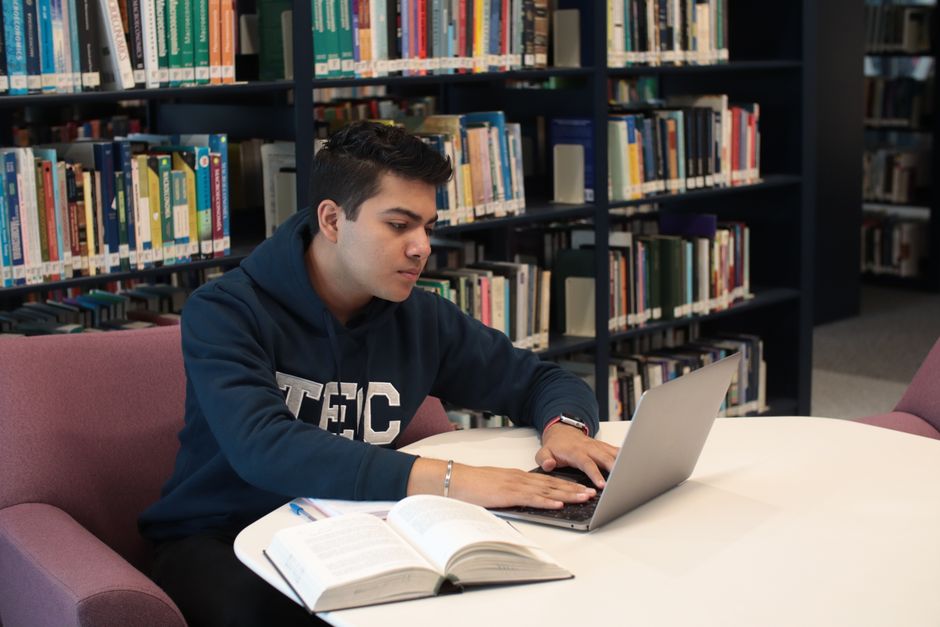
On-campus jobs are often the most convenient, as they eliminate commute time and understand student schedules. Roles include library assistants, research aides, and administrative support. Check your university’s career portal or visit departments directly.
Off-Campus and Remote Work
For off-campus roles, ensure they comply with visa rules. Websites like Indeed and LinkedIn list part-time positions. Remote work, such as freelance writing or virtual assistance, offers flexibility but confirm it doesn’t violate visa conditions.
Networking and Career Fairs
Attend university career fairs and join student clubs related to your field. Networking can uncover hidden job opportunities. The National Association of Colleges and Employers (NACE) offers job search tips for students.
Maintaining Well-Being and Avoiding Burnout
Balancing multiple responsibilities can strain mental and physical health. Prioritize self-care with these strategies:
Establish Boundaries
Communicate your availability to employers and stick to agreed hours. Avoid overcommitting—your education is the primary goal. Learn to say no to extra shifts during exam periods.
Practice Stress Management
Incorporate mindfulness, exercise, or hobbies into your routine. Universities often provide counseling services; for instance, the University of Michigan’s Counseling and Psychological Services offers support for students.
Get Enough Sleep and Nutrition
Sleep deprivation impairs cognitive function and productivity. Aim for 7-9 hours nightly and maintain a balanced diet. Meal prepping can save time and money.
FAQ
Can I work more than 20 hours per week if my classes are online?
Visa work limits typically apply regardless of class format. However, some countries introduced temporary flexibilities during the pandemic. For example, Australia’s relaxation ended in June 2023. Always check current rules with your institution’s international office or official immigration website.
What happens if I accidentally exceed my allowed work hours?
Overworking can breach visa conditions, leading to warnings, visa cancellation, or future entry bans. If you realize you’ve exceeded hours, contact your international student advisor immediately for guidance. It’s better to proactively address the issue than risk detection.
Are internships considered part-time work for visa purposes?
Yes, internships—paid or unpaid—usually count toward work hour limits. In the U.S., Curricular Practical Training (CPT) is a separate authorization that may allow full-time work if it’s integral to your program. Consult your Designated School Official (DSO) before starting any internship.
How can I find a job that accommodates my exam schedule?
Communicate your academic calendar to employers during the hiring process. Many on-campus jobs and student-friendly employers are flexible during exams. Consider roles with shift-swapping options or reduced hours during peak academic periods.
References
- U.S. Citizenship and Immigration Services. (2023). Students and Exchange Visitors. https://www.uscis.gov/working-in-the-united-states/students-and-exchange-visitors-f-1-and-m-1-students
- UK Council for International Student Affairs. (2023). Working during your studies. https://www.ukcisa.org.uk/Information—Advice/Working/Working-during-your-studies
- Australian Department of Home Affairs. (2024). Student visa (subclass 500). https://immi.homeaffairs.gov.au/visas/getting-a-visa/visa-listing/student-500
- Immigration, Refugees and Citizenship Canada. (2023). Work off campus as an international student. https://www.canada.ca/en/immigration-refugees-citizenship/services/study-canada/work/work-off-campus.html
- Immigration New Zealand. (2023). Student Visa. https://www.immigration.govt.nz/new-zealand-visas/visas/visa/student-visa
- Cirillo, F. (2018). The Pomodoro Technique. Currency.
- University of California Berkeley Student Learning Center. (n.d.). Study Tips & Resources. https://slc.berkeley.edu/
- University of Michigan Counseling and Psychological Services. (n.d.). CAPS. https://caps.umich.edu/

以上为合作伙伴链接,通过它们购买不会增加你的费用,我们可能获得一笔佣金。