Introduction
As China continues to position itself as a global hub for innovation and talent, the competition among its top-tier cities—Beijing, Shanghai, Guangzhou, and Shenzhen—to attract overseas returnees has intensified. In 2025, these four first-tier cities have rolled out updated policies to streamline the settlement process for international students, offering a range of benefits from hukou (household registration) to housing subsidies and tax incentives. However, navigating the bureaucratic maze can be daunting, with each city imposing distinct eligibility criteria, social insurance requirements, and hidden conditions that can trip up even the most prepared applicants. This guide provides a comprehensive comparison of the latest 2025 policies, practical tips for document preparation, and strategies to avoid common pitfalls, ensuring a smooth transition for overseas graduates looking to build their careers in China’s most dynamic urban centers.
Policy Overview: Why Hukou Matters for Returnees
Obtaining a hukou in Beijing, Shanghai, Guangzhou, or Shenzhen is more than just a legal formality—it unlocks access to a suite of social benefits, including public healthcare, education for children, and eligibility to purchase property. For overseas returnees, these cities have tailored their policies to attract high-skilled talent, often waiving the stringent points-based systems that apply to domestic migrants. In 2025, the overarching trend is towards digitalization, with many cities introducing online application portals and reducing processing times. However, the devil is in the details: from the specific definition of “overseas study duration” to the nuances of post-graduation work experience, each city has its own interpretation. This section sets the stage for a deep dive into the four cities, highlighting the strategic importance of choosing the right destination based on career goals and personal circumstances.
Beijing 2025: Strict Thresholds and Elite Focus
Beijing remains the most selective among the four cities, with policies heavily favoring graduates from top-ranked global universities and those employed by high-tech or state-owned enterprises. In 2025, the capital has tightened its criteria, emphasizing degree level, age, and employer qualifications.
Eligibility Criteria
- Degree Requirement: Master’s degree or higher from a recognized overseas institution. Bachelor’s degrees are generally not accepted unless accompanied by extensive work experience in a critical field.
- Age Limit: Applicants must be under 45 years old. For those with a Ph.D., the age limit may be extended to 50 on a case-by-case basis.
- Study Duration: A minimum of 360 days of physical presence abroad during the degree program is mandatory. Online or hybrid programs due to COVID-19 are no longer accepted as valid substitutes unless explicitly approved by the Ministry of Education.
- Employment: Must secure a job with a Beijing-based employer that has a qualified quota for hiring returnees. The employer must be a state-owned enterprise, a high-tech company registered with the Zhongguancun Science Park, or a multinational corporation with a regional headquarters in Beijing.
- Social Insurance: Continuous payment of social insurance in Beijing for at least 6 months prior to application, with no gaps.
Hidden Conditions and Pitfalls
- University Ranking: While not officially stated, applications from graduates of top 500 universities in global rankings (QS, THE, ARWU) are prioritized. Graduates from lower-ranked institutions may face delays or rejections.
- Quota System: Employers have a limited number of hukou slots for returnees, and competition is fierce. Applicants should confirm quota availability before accepting a job offer.
- Document Authentication: All overseas degrees and transcripts must be authenticated by the Chinese Service Center for Scholarly Exchange (CSCSE). This process can take up to 20 working days, so early preparation is crucial.
Practical Tips
- Start the CSCSE authentication immediately upon returning to China.
- Network with HR departments of qualified employers during the final semester of study.
- Maintain a detailed record of travel history (passport stamps, boarding passes) to prove physical presence.

Shanghai 2025: Tiered System and Gradual Opening
Shanghai has adopted a more nuanced approach, with a tiered policy that differentiates between top-tier graduates and those from standard institutions. In 2025, the city has further relaxed requirements for graduates of world-class universities while maintaining a stable pathway for others.
Eligibility Criteria
- Top 50 Graduates: Graduates from universities ranked in the top 50 globally (based on Shanghai’s official list, which aligns with major rankings) can apply for hukou directly after securing a job in Shanghai, with no social insurance requirement.
- Top 51-100 Graduates: Must work in Shanghai and pay social insurance for 6 months before applying, with no minimum salary threshold.
- Other Graduates: For graduates from non-top 100 institutions, a bachelor’s degree or higher is required, along with 12 months of social insurance payments and a salary at least 1.5 times the Shanghai average (approximately ¥15,000/month in 2025).
- Age Limit: Generally under 45, with extensions for Ph.D. holders.
- Study Duration: Bachelor’s programs require at least 720 days abroad; master’s programs require 180 days; Ph.D. programs require 360 days. Time spent in China during the program is deducted.
Hidden Conditions and Pitfalls
- Employer Registration: The employer must be registered with the Shanghai Municipal Human Resources and Social Security Bureau and have a good compliance record. Small startups may not qualify.
- Tax Compliance: Applicants must ensure their salary and social insurance payments are consistent with tax filings. Discrepancies can lead to rejection.
- Housing Requirement: While not officially mandated, having a stable residence (owned or rented) can expedite the process.
Practical Tips
- Use the Shanghai government’s online portal to check employer eligibility before applying.
- For top 50 graduates, the process is streamlined; focus on securing any job offer, but ensure the employer is cooperative with documentation.
- Keep all tax receipts and social insurance records organized.
Guangzhou 2025: The Most Accessible Gateway
Guangzhou has positioned itself as the most welcoming city for overseas returnees, with policies that emphasize inclusivity and ease of application. In 2025, the city has further simplified procedures, making it an attractive option for graduates from a wide range of institutions.
Eligibility Criteria
- Degree Requirement: Bachelor’s degree or higher from a recognized overseas institution. Diploma and certificate programs are not accepted.
- Age Limit: Under 40 for bachelor’s, under 45 for master’s, and under 50 for Ph.D. holders.
- Study Duration: No strict minimum duration, but the program must be full-time and accredited. Short-term exchange programs do not qualify.
- Employment: Must work in Guangzhou and have a valid employment contract. There is no minimum salary threshold, but the job must match the field of study.
- Social Insurance: Continuous social insurance payments for 6 months prior to application (can be waived for top 200 university graduates).
Hidden Conditions and Pitfalls
- Employer Type: While most legally registered companies can sponsor, employers in the Huangpu or Nansha free trade zones may offer additional incentives and faster processing.
- Document Translation: All non-Chinese documents must be translated by a certified translation service. Unofficial translations are rejected.
- Residence Permit: Applicants must hold a valid residence permit for foreigners or a Chinese ID card. Those with expired permits must renew before applying.
Practical Tips
- Leverage Guangzhou’s “绿色通道” (green channel) for graduates of top 200 universities to skip the social insurance requirement.
- Apply for the Guangdong Provincial Talent Card simultaneously for additional benefits like housing subsidies.
- Use the “穗好办” app for online application tracking.

Shenzhen 2025: Tech Hub with Generous Incentives
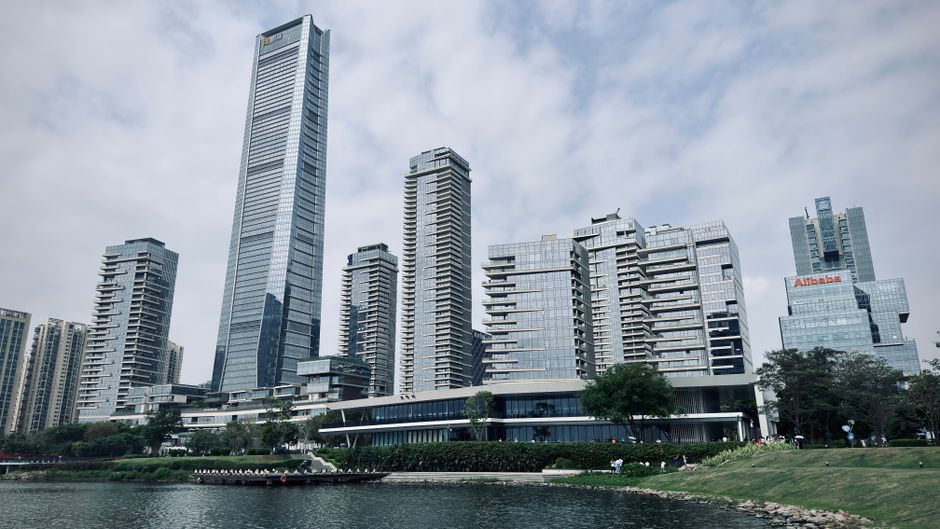
Shenzhen, known for its vibrant tech ecosystem, has crafted policies to attract young talent, offering not just hukou but substantial financial incentives. In 2025, the city has increased its subsidies and streamlined the application process, though some hidden complexities remain.
Eligibility Criteria
- Degree Requirement: Bachelor’s degree or higher from a recognized overseas institution. Associate degrees are not accepted.
- Age Limit: Under 35 for bachelor’s, under 40 for master’s, and under 45 for Ph.D. holders.
- Study Duration: At least 180 days of physical presence abroad for the degree program.
- Employment: No job offer is required at the time of application, but applicants must intend to work in Shenzhen. However, to receive the full subsidy, employment within 6 months is expected.
- Social Insurance: No social insurance requirement for initial hukou application, but to claim the talent subsidy, 3 months of payments are needed.
Hidden Conditions and Pitfalls
- Talent Subsidy: Shenzhen offers a one-time subsidy of ¥25,000 for bachelor’s, ¥30,000 for master’s, and ¥40,000 for Ph.D. holders (amounts may vary by district). However, this is contingent on working for a qualified employer and signing a 1-year commitment.
- District Variations: Policies differ across districts like Nanshan, Futian, and Bao’an. For example, Nanshan may offer additional housing allowances, but only for graduates in STEM fields.
- Health Check: A medical examination at a designated hospital is required, and certain health conditions can lead to rejection.
Practical Tips
- Research district-specific incentives before choosing a residence.
- Prepare for the health check by reviewing the required tests and addressing any manageable issues in advance.
- Use the “i深圳” app for a seamless digital application experience.
Comparative Analysis: A City-by-City Breakdown
To help you make an informed decision, here’s a side-by-side comparison of key factors across the four cities in 2025.
| Criteria | Beijing | Shanghai | Guangzhou | Shenzhen |
|---|---|---|---|---|
| Min. Degree | Master’s | Bachelor’s (Top 50) / Master’s (others) | Bachelor’s | Bachelor’s |
| Age Limit | 45 (50 for Ph.D.) | 45 (50 for Ph.D.) | 40/45/50 | 35/40/45 |
| Study Duration | 360 days | 180-720 days depending on degree | No strict minimum (full-time) | 180 days |
| Social Insurance | 6 months | 0-12 months based on tier | 6 months (waived for top 200) | Not required for hukou; 3 months for subsidy |
| Job Requirement | Must have job offer from qualified employer | Must have job offer | Must have job offer | No job offer needed initially |
| Financial Incentives | Limited housing subsidies | Rental subsidies for top talent | Housing fund access | ¥25,000-¥40,000 cash subsidy |
| Processing Time | 3-6 months | 2-4 months | 1-3 months | 1-2 months |
| Hidden Complexity | High (quota, ranking) | Medium (tiered system) | Low (inclusive) | Medium (district variations) |
Note: All data is based on 2025 policies and may be subject to change. Always verify with official sources.
Document Preparation: A Universal Checklist
Regardless of the city, certain documents are universally required. Ensuring these are in order can prevent delays and rejections.
- Passport and Visa: Original and photocopy of all pages, including blank ones. Ensure your student visa or residence permit is clearly visible.
- Degree Certificate and Transcript: Original and CSCSE-authenticated copies. For non-English documents, certified translations are mandatory.
- Study Abroad Duration Proof: Passport entry/exit stamps, enrollment verification letter from the university, and any official correspondence confirming physical attendance.
- CSCSE Authentication: This is the cornerstone of your application. Apply online at the Chinese Service Center for Scholarly Exchange as soon as you return.
- Employment Contract: Original and copy, with a validity of at least 6 months beyond the application date.
- Social Insurance Records: Printed from the local social insurance bureau’s online system, showing continuous payments.
- Health Check Report: From a designated hospital (list available on each city’s HR bureau website).
- Residence Registration: Temporary residence form from the local police station if you are staying in a rental.
Pro Tips
- Digitize all documents and store them in a cloud folder for easy access.
- Verify the specific list on the official website of the city’s human resources bureau, as requirements can change quarterly.
Common Pitfalls and How to Avoid Them
Even with meticulous preparation, applicants often stumble on subtle issues. Here are the most frequent mistakes and how to sidestep them.
- Misunderstanding Study Duration: Many applicants assume the program’s official length counts, but cities calculate physical presence based on passport stamps. If you returned home for holidays or did remote work, those days are deducted. Solution: Keep a spreadsheet of all travel dates and cross-reference with university enrollment periods.
- Ignoring Employer Quotas: In Beijing and Shanghai, even if you meet all personal criteria, your employer’s quota may be exhausted. Solution: During job interviews, explicitly ask about hukou sponsorship availability and get it in writing.
- Inconsistent Tax and Social Insurance Records: If your reported salary for social insurance differs from your tax filings, it raises red flags. Solution: Ensure your employer is compliant and request monthly statements.
- Delaying CSCSE Authentication: This process can take weeks, and without it, your application stalls. Solution: Initiate authentication before you even graduate, if possible, by submitting preliminary documents.
- Overlooking District Policies: In Shenzhen and Guangzhou, district-level incentives can be more generous but have separate application windows. Solution: Research the specific district’s talent office website, such as the Shenzhen Nanshan District Talent Bureau.
FAQ
Q1: Can I apply for hukou in multiple cities simultaneously?
No, you must choose one city for your hukou application. Applying to multiple cities can lead to disqualification, as the systems are interconnected. Focus on the city where you have the strongest employment prospects and meet the criteria.
Q2: What if my overseas university is not in the top rankings?
For Beijing, it’s challenging but not impossible if you have a Ph.D. or work in a critical industry. For Shanghai, you can still apply through the standard 12-month social insurance route. Guangzhou and Shenzhen are more lenient, with no strict ranking requirements. Always check the official list of recognized institutions on the Ministry of Education’s website.
Q3: How long does the entire process take from application to approval?
Processing times vary: Beijing takes 3-6 months, Shanghai 2-4 months, Guangzhou 1-3 months, and Shenzhen 1-2 months. However, document preparation can add 1-2 months. Plan for at least 6 months from start to finish, and avoid international travel during the review period.
Q4: Are there any shortcuts or agents that can guarantee approval?
No, all applications must go through official channels. Be wary of agents promising guaranteed hukou for a fee; these are often scams. The process is transparent, and any attempt to falsify documents can result in a permanent ban.
References
- Chinese Service Center for Scholarly Exchange (CSCSE) - Degree Authentication
- Shanghai Municipal Human Resources and Social Security Bureau - Returnee Policies
- Ministry of Education of the People’s Republic of China - Recognized Overseas Institutions
Disclaimer: This guide is based on publicly available information as of 2025 and does not constitute legal advice. Policies are subject to change; always consult official sources or a qualified professional.