New Zealand has emerged as a top destination for international doctoral students, especially those from mainland China seeking high-quality education without breaking the bank. Unlike many other popular study-abroad countries, New Zealand offers a unique combination of affordability, family-friendly policies, and clear immigration pathways. This article delves into the key advantages of pursuing a PhD in New Zealand, including domestic-level tuition fees, work rights for spouses, free education for children, and post-study immigration opportunities. By the end, you’ll understand why New Zealand is a high-value choice for aspiring researchers.
Why Choose New Zealand for a PhD?
New Zealand’s education system is globally recognized for its research excellence, with all eight universities ranked in the top 3% worldwide (QS World University Rankings, 2025). The country invests heavily in innovation, particularly in fields like environmental science, agriculture, engineering, and healthcare. For Chinese students, the appeal goes beyond academics—it’s about a balanced lifestyle, safety, and a welcoming multicultural environment. But the real game-changer is the cost: international PhD students pay the same tuition as domestic students, a policy that slashes expenses dramatically compared to the US, UK, or Australia.

Research Environment and Supervision
New Zealand universities emphasize independent research with strong supervisory support. PhD candidates work closely with leading academics, often in small, collaborative groups. The country’s isolated geography has fostered unique research niches, such as Antarctic studies, earthquake engineering, and indigenous Māori knowledge systems. According to a 2024 report by Universities New Zealand, 95% of international PhD graduates rated their supervision as satisfactory or better. This supportive atmosphere is ideal for students who want to make meaningful contributions to their fields.
Low Tuition Fees: Same as Domestic Students
The most significant financial advantage for international PhD students in New Zealand is the domestic fee policy. Since 2005, the government has capped international PhD tuition at the same rate as local students. As of 2025, annual tuition ranges from NZD 6,500 to NZD 9,000 (approximately USD 4,000–5,500), depending on the university and discipline. This is a fraction of what you’d pay in other English-speaking countries. For comparison, international PhD tuition in Australia can exceed AUD 40,000 per year, while in the US it often tops USD 30,000 annually.
Tuition Fee Comparison Table
| Country | Annual PhD Tuition (International) | Currency | Notes |
|---|---|---|---|
| New Zealand | 6,500 – 9,000 | NZD | Same as domestic students |
| Australia | 30,000 – 45,000 | AUD | Varies by university |
| United States | 25,000 – 55,000 | USD | Public vs private universities |
| United Kingdom | 18,000 – 35,000 | GBP | Higher for lab-based programs |
| Canada | 8,000 – 20,000 | CAD | Some provinces offer domestic fees for PhD |
Sources: Study with New Zealand, Australian Government Department of Education, US News, UKRI, EduCanada (2024 figures)
Additional Funding and Scholarships
Beyond low tuition, numerous scholarships are available. The New Zealand International Doctoral Research Scholarships (NZIDRS) and university-specific awards often cover full tuition and provide a living stipend of around NZD 25,000–30,000 per year. The Chinese Scholarship Council (CSC) also partners with New Zealand universities to fund PhD students. Even without a scholarship, many students find the costs manageable, especially when combined with part-time work rights (up to 20 hours per week during the academic year, unlimited during holidays).
High Welfare Benefits for Families
New Zealand’s student visa policies are exceptionally family-friendly. If you’re enrolled in a PhD program, your spouse or partner can apply for an open work visa, valid for the same duration as your studies. This means they can work for any employer, full-time, without restrictions. This is a massive financial and emotional support, reducing the burden on the primary student and allowing families to stay together.
Free Education for Dependent Children
Another standout benefit: dependent children of international PhD students can attend New Zealand public schools for free. This applies to children aged 5 to 19, covering primary and secondary education. Schooling costs in other countries can be prohibitive—international student fees in Australian public schools, for example, can exceed AUD 15,000 per year. In New Zealand, your children receive high-quality education at no cost, making it an ideal destination for students with families.
Healthcare and Social Support
International PhD students and their families are eligible for publicly funded healthcare in New Zealand. This includes access to hospital services, subsidized prescriptions, and emergency care. While you’ll still need health insurance for some services (like dental and optical), the overall healthcare costs are low compared to the US. The country’s universal accident insurance scheme (ACC) also covers everyone, regardless of visa status, for injuries.
Immigration Pathways After Graduation
New Zealand offers a clear pathway from student to resident, which is a major draw for Chinese students seeking long-term opportunities. After completing your PhD, you can apply for a Post-study Work Visa (open) for up to 3 years. This allows you to work for any employer, in any field, and gain the experience needed for residency. Unlike some countries that tie graduates to specific jobs or sponsors, New Zealand’s open work visa gives you flexibility to explore your career.
Skilled Migrant Category and Green List
PhD graduates are highly valued under New Zealand’s immigration system. The Skilled Migrant Category (SMC) uses a points system based on age, qualifications, work experience, and job offers. A PhD automatically awards you significant points, often putting you above the threshold for residency. Moreover, many research-related occupations are on the Green List, which provides a fast-track to residence. For example, university lecturers, research scientists, and engineers are in high demand. As of 2024, Immigration New Zealand reported that 90% of PhD graduates who applied for residency were successful within 12 months.
Pathway to Citizenship
After holding residency for 5 years, you can apply for New Zealand citizenship. Dual citizenship is allowed, so you don’t have to renounce your Chinese nationality (though China does not recognize dual citizenship, so practical considerations apply). New Zealand passports offer visa-free travel to over 180 countries, including the US, UK, and EU, making it a valuable asset for global mobility.
Quality of Life and Cultural Experience
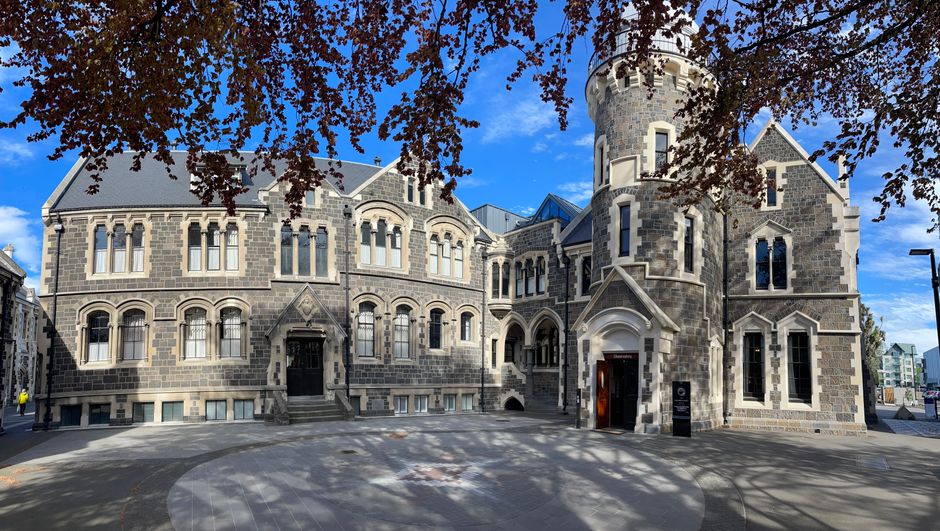
New Zealand consistently ranks high in global quality of life indices. The 2024 World Happiness Report placed New Zealand 10th, citing strong social support, freedom, and low corruption. For Chinese students, the country’s sizable Asian community (around 15% of the population) eases cultural transition. Cities like Auckland, Wellington, and Christchurch offer vibrant food scenes, festivals, and student networks.
Work-Life Balance and Nature
PhD studies are intense, but New Zealand’s lifestyle encourages balance. The country’s stunning landscapes—from fjords to beaches—provide endless opportunities for outdoor recreation. Many universities have clubs for hiking, skiing, and water sports. This environment is conducive to mental well-being, which is crucial during the rigors of doctoral research.
Application Process and Requirements
Applying for a PhD in New Zealand is straightforward but requires careful planning. You’ll need a master’s degree or honors bachelor’s with a research component, a strong research proposal, and evidence of English proficiency (usually IELTS 6.5 or equivalent). Unlike some countries, you don’t need to secure a supervisor before applying—most universities assign one after admission—but it’s advisable to contact potential supervisors early.
Key Documents
- Academic transcripts and certificates
- Research proposal (3,000–5,000 words)
- CV with publications (if any)
- Letters of recommendation (2–3)
- English language test scores
- Statement of purpose
Timeline and Intakes
New Zealand universities typically have flexible start dates for PhD students, with many allowing enrollment at any time of the year. However, scholarship applications often have specific deadlines (e.g., July–October for the following year). It’s best to begin preparation 12–18 months in advance.
Cost of Living and Financial Planning
While tuition is low, living costs can be moderate. Immigration New Zealand requires proof of funds: NZD 20,000 per year for a single student, plus NZD 5,000 for a partner and NZD 5,000 per child. However, actual expenses vary. A single student in Auckland might spend NZD 1,500–2,000 per month on accommodation, food, and transport. Flatting (sharing a house) is common and reduces costs.
Sample Monthly Budget (Single Student, Auckland)
| Expense Category | Cost (NZD) |
|---|---|
| Accommodation (shared) | 800 – 1,200 |
| Food | 400 – 600 |
| Transport | 150 – 200 |
| Utilities & Internet | 100 – 150 |
| Health Insurance | 50 – 80 |
| Miscellaneous | 200 – 300 |
| Total | 1,700 – 2,530 |
Based on 2024 data from StudySpy and Numbeo
Challenges and Considerations
No destination is perfect, and New Zealand has its drawbacks. The distance from China means long flights and higher travel costs. The job market is smaller than in larger economies, so some graduates may need to look to Australia or Asia for opportunities in niche fields. Additionally, while the immigration pathway is clear, policy changes can occur—though PhD graduates are typically favored.
Cultural Adjustment
While New Zealand is multicultural, the pace of life and communication style can be different. Kiwis are generally friendly but reserved; building deep friendships may take time. Universities offer orientation programs and student support services to help international students settle in.
FAQ
Can I work while pursuing a PhD in New Zealand?
Yes, as an international PhD student, you are allowed to work up to 20 hours per week during the academic year and full-time during scheduled breaks. Your dependent partner can work full-time on an open work visa.
How long does it take to complete a PhD in New Zealand?
Most PhD programs are designed to be completed in 3–4 years of full-time study. Extensions are possible but require approval and may affect funding.
Are there any age limits for PhD scholarships?
Generally, no. Most scholarships focus on academic merit and research potential rather than age. However, some CSC scholarships may have age restrictions (usually under 35), so check specific criteria.
What are the English language requirements?
The standard requirement is an IELTS score of 6.5 overall, with no band less than 6.0. Some universities accept TOEFL iBT (score of 90) or PTE Academic (58). Exemptions may apply if you have prior education in English.
References
- Study with New Zealand – PhD and Doctoral Degrees
- Immigration New Zealand – Post-study Work Visa
- Universities New Zealand – International PhD Fees
- New Zealand Qualifications Authority – Green List Occupations
- Education New Zealand – Scholarships for International Students
Disclaimer: This article is for informational purposes only. Always check official sources for the latest visa and fee information.