As a student from mainland China, choosing between the United Kingdom and Australia for your higher education is a significant decision that will shape your academic journey and future career. Both countries are top destinations for international students, offering world-class universities, vibrant multicultural environments, and promising post-study opportunities. However, they differ in key areas such as education systems, living costs, and immigration policies. This comprehensive guide will help you navigate these differences and make an informed choice tailored to your goals.
Education Systems: Structure, Quality, and Recognition
Academic Structure and Duration
The UK and Australia have distinct academic structures that can influence your study timeline and depth of specialization.
United Kingdom:
- Undergraduate degrees typically last 3 years in England, Wales, and Northern Ireland, and 4 years in Scotland. The shorter duration is due to a more specialized curriculum from the first year, with less emphasis on electives compared to the US or Australia.
- Postgraduate taught degrees (Master’s) are usually 1 year full-time. This intensive model is highly regarded globally but requires strong time management.
- Research degrees (PhD) generally take 3–4 years full-time.
- The academic year runs from September/October to June, with three terms.
Australia:
- Undergraduate degrees are typically 3 years for a standard bachelor’s, with some professional degrees (e.g., engineering, law) taking 4–5 years. Many programs include a flexible first year with broad foundational courses before specialization.
- Postgraduate coursework degrees (Master’s) range from 1.5 to 2 years full-time. The longer duration allows for deeper exploration and often includes a research component or industry project.
- Research degrees (PhD) usually take 3–4 years full-time.
- The academic year starts in February/March and ends in November, with two main semesters. Some universities also offer a July intake.

University Rankings and Reputation
Both countries boast prestigious institutions consistently ranked in global top 100 lists. According to the QS World University Rankings 2025, the UK has 4 universities in the top 10 (University of Cambridge, University of Oxford, Imperial College London, and UCL), while Australia’s highest-ranked institution is the University of Melbourne at #13. However, the Australian Group of Eight (Go8) universities are all within the top 100 and are highly respected for research output.
| Ranking Body | UK Top Institutions (2025) | Australia Top Institutions (2025) |
|---|---|---|
| QS World University Rankings | Cambridge (#2), Oxford (#3), Imperial (#6), UCL (#9) | Melbourne (#13), Sydney (#18), UNSW (#19), ANU (#30) |
| Times Higher Education (THE) 2024 | Oxford (#1), Cambridge (#5), Imperial (#8) | Melbourne (#37), Monash (#44), Sydney (#60) |
Data sourced from QS Top Universities and Times Higher Education.
Teaching and Assessment Styles
- UK: Emphasis on independent study, critical thinking, and rigorous examinations. Many courses are assessed through a combination of final exams (often 70-100% of the grade) and coursework. The tutorial system, especially at Oxbridge, provides personalized attention.
- Australia: A balanced mix of continuous assessment, group projects, practical assignments, and final exams. There is a strong focus on collaborative learning and real-world application. Classes often encourage debate and participation, which may be a refreshing change for students from a more lecture-based background.
Recognition in China
Degrees from both UK and Australian universities are widely recognized by the Chinese Ministry of Education, especially those from accredited institutions. However, some employers in China may perceive a UK 1-year Master’s as less rigorous than a 2-year Australian Master’s, though this perception is changing as the UK model becomes more familiar. It’s essential to check if your chosen institution is on the China Service Center for Scholarly Exchange (CSCSE) approved list.
Cost of Living and Tuition Fees: Budgeting for Your Studies
Tuition Fees Comparison
Tuition fees vary widely by institution, course, and level of study. Below is an approximate annual range for international students in 2024-2025:
| Expense Category | United Kingdom (£) | Australia (A$) |
|---|---|---|
| Undergraduate tuition (per year) | £12,000 – £30,000+ | A$25,000 – A$45,000+ |
| Postgraduate tuition (per year) | £14,000 – £35,000+ | A$28,000 – A$50,000+ |
| Living costs (per year) | £12,000 – £15,000 (London: £15,000+) | A$21,000 – A$25,000+ |
Note: These are average figures; medical and MBA programs can be significantly higher. For official UK fees, refer to UCAS and individual university sites. For Australia, check Study Australia.
Living Expenses Breakdown
United Kingdom:
- Accommodation: University halls range from £400–£800 per month. Private renting is more expensive, especially in London where a room in a shared flat can cost £700–£1,200+.
- Food: £200–£300 monthly if cooking at home; eating out adds up quickly.
- Transport: London has the expensive Tube (get an Oyster card for discounts), while other cities have affordable bus networks. Monthly transport pass: £50–£150.
- Healthcare: International students pay an Immigration Health Surcharge (IHS) of £776 per year for access to the National Health Service (NHS).
- Miscellaneous: Phone, internet, leisure, and study materials can add £200+ monthly.
Australia:
- Accommodation: On-campus housing: A$800–A$1,500 per month. Shared rental: A$600–A$1,200 depending on city (Sydney and Melbourne are priciest).
- Food: A$300–A$500 monthly for groceries; eating out can be A$15–A$25 per meal.
- Transport: Most cities have student concession cards. Monthly cost: A$100–A$200.
- Healthcare: Overseas Student Health Cover (OSHC) is mandatory, costing around A$500–A$700 per year for a basic policy.
- Miscellaneous: Similar to the UK, budget A$300+ monthly.
Part-Time Work Opportunities
Both countries allow international students to work during their studies:
- UK: Students on a Student visa can work up to 20 hours per week during term and full-time during holidays. The minimum wage as of April 2024 is £11.44 per hour (21+).
- Australia: Student visa (subclass 500) holders can work up to 48 hours per fortnight during term (since July 2023) and unlimited hours during breaks. The national minimum wage is A$24.10 per hour (as of July 2024).
This means you can offset living costs, but don’t rely on part-time income to cover tuition. Australia’s higher minimum wage can make a noticeable difference in your budget.
Scholarships and Financial Aid
Numerous scholarships are available for Chinese students:
- UK: Chevening Scholarships (for Master’s), Commonwealth Scholarships, and university-specific awards like the Gates Cambridge Scholarship. Many universities offer automatic merit-based discounts.
- Australia: Australia Awards Scholarships, Destination Australia Program, and university-specific scholarships (e.g., University of Sydney International Scholarship). Some Australian universities may offer application fee waivers during promotional periods—有机会免申请费—so check with official representatives.
Immigration Policies and Post-Study Work Rights: Building Your Future
Student Visa Process
UK Student Visa (formerly Tier 4):
- Apply up to 6 months before your course starts.
- You need a Confirmation of Acceptance for Studies (CAS) from your university.
- Prove you have enough money to support yourself (financial evidence): £1,334 per month for up to 9 months if studying in London, or £1,023 outside London.
- English language proficiency: usually IELTS 6.0-7.0 depending on level.
- Visa fee: £490 (outside UK).
- Processing time: typically 3 weeks.
Australia Student Visa (subclass 500):
- Apply once you have a Confirmation of Enrolment (CoE) from your institution.
- Show Genuine Student (GS) statement and financial capacity: from A$24,505 per year for living costs.
- English language: IELTS 5.5-6.5 depending on course.
- Visa fee: A$710 (as of 2024).
- Processing time: variable, but often 4-8 weeks.
Post-Study Work Visas
This is often the deciding factor for many students aiming to gain international work experience.
UK Graduate Route:
- Available to international students who have completed a degree at a UK higher education provider.
- Allows you to stay and work (or look for work) for 2 years after graduation (3 years for PhD graduates).
- No job offer required at application; you can work in any sector.
- You can switch to a Skilled Worker visa if you find a suitable job.
- Application fee: £822, plus IHS surcharge.
- More details on the UK Government website.
Australia Temporary Graduate Visa (subclass 485):
- Post-Study Work stream: for graduates with a Bachelor’s degree or higher. Stay periods vary:
- Bachelor’s (including honours): 2 years
- Master’s by coursework: 2 years (extended to 3 years for certain skill-shortage areas from July 2023)
- Master’s by research: 3 years
- PhD: 4 years
- You can work full-time and gain valuable local experience.
- Some regional areas offer extended visas (up to 4 years).
- Application fee: A$1,895 (as of 2024).
- Check the Department of Home Affairs for updates.
Pathways to Permanent Residency
- UK: The Graduate Route does not directly lead to settlement, but it can be a stepping stone to a Skilled Worker visa (which requires a job offer from a licensed sponsor). After 5 years on a Skilled Worker visa, you may apply for Indefinite Leave to Remain (ILR). However, the route is competitive and salary thresholds apply.
- Australia: The post-study work visa can be a pathway to permanent residency (PR) through the General Skilled Migration (GSM) program. Points are awarded for age, English proficiency, Australian study, work experience, and more. Many Chinese students use the 485 visa to gain local experience and improve their points score for invitations under Subclass 189 (Skilled Independent) or 190 (Skilled Nominated). Certain occupations are in high demand, making PR more attainable.
Australia’s immigration system is generally more transparent and points-based, which appeals to students with long-term settlement goals. The UK has been making efforts to attract global talent, but the route to permanent residency is often perceived as less straightforward.
Lifestyle and Cultural Fit: Beyond Academics
Climate and Environment
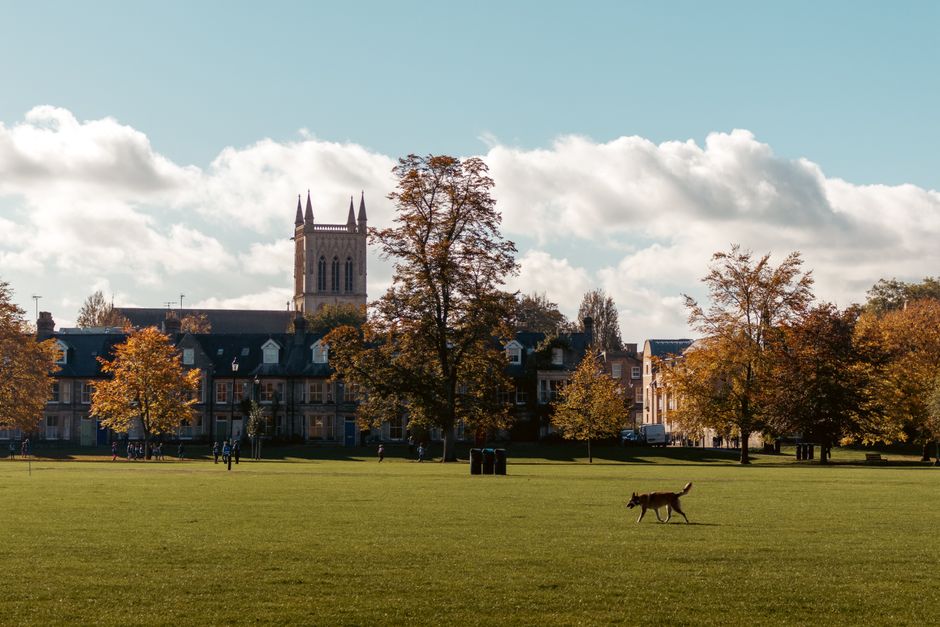
- UK: Temperate maritime climate with mild summers and cool, wet winters. Short daylight hours in winter can be an adjustment. The landscape is green and historic, with easy travel to Europe.
- Australia: Diverse climates—from tropical in the north to temperate in the south. Generally warmer and sunnier, with a outdoor-focused lifestyle. Beaches, national parks, and a relaxed vibe are major draws. However, the distance from China and the rest of the world can feel isolating.
Cultural Experience and Community
- UK: Rich historical heritage, multicultural cities (London is incredibly diverse), and a strong pub and arts culture. Chinese communities are well-established in major cities, so you’ll find familiar food and social networks.
- Australia: Laid-back and friendly culture with a love for sports and barbecues. Sydney and Melbourne have vibrant Chinatowns and Asian communities. The society is generally informal, and you may find it easier to integrate due to the multicultural ethos.
Time Zone and Connectivity
- UK: GMT/BST time zone is 7-8 hours behind China (depending on daylight saving). This can make regular communication with family tricky, but it’s manageable with planning.
- Australia: Time zones range from 0–3 hours ahead of China (Perth same as China, Sydney/Melbourne 2-3 hours ahead). This makes keeping in touch much easier.
Making Your Decision: A Practical Checklist
To choose between the UK and Australia, consider the following:
- Academic Goals: Do you prefer a shorter, intensive Master’s (UK) or a longer, research-inclusive program (Australia)? Does your field have a stronger reputation in one country?
- Budget: Calculate total costs including tuition, living expenses, and travel. Australia’s higher minimum wage for part-time work can offset some costs, but tuition may be higher.
- Career and Immigration Plans: If you want to settle abroad, Australia’s points-based system and longer post-study work rights may be more attractive. If you plan to return to China after gaining some work experience, both are viable, but the UK’s 2-year Graduate Route is straightforward.
- Lifestyle Preferences: Do you prefer the historical charm and proximity to Europe, or the sunny, outdoor lifestyle of Australia?
- Support Networks: Research the Chinese student communities and support services at your target universities.
FAQ
1. Which country offers better employment prospects during and after studies?
Both countries allow part-time work during studies and have post-study work visas. Australia typically offers a longer post-study work period (2-4 years depending on qualification) compared to the UK’s 2-3 years. Australia’s higher minimum wage also means you can earn more while studying. However, the UK’s economy is larger and more diverse, which may offer more opportunities in sectors like finance and tech. Your employability will largely depend on your field of study and language skills.
2. Is it easier to get a scholarship in the UK or Australia?
Both countries offer a range of scholarships. The UK has prestigious government-funded schemes like Chevening, which are highly competitive. Australia’s Australia Awards are also competitive but may have specific allocations for Chinese students. At the university level, both offer merit-based discounts. It’s advisable to check individual university websites and apply early. Some Australian universities may waive application fees during recruitment events—有机会免申请费—so keep an eye out.
3. How do I choose between a 1-year UK Master’s and a 2-year Australian Master’s?
Consider your career timeline and budget. A 1-year Master’s in the UK is cost-effective in terms of living expenses and allows you to enter the job market faster. However, it is intense and may not allow for deep specialization or research. A 2-year Australian Master’s provides more time for internships, research, and cultural immersion, and may be viewed more favorably by some Chinese employers. If you aim for Australian PR, the 2-year study requirement is also beneficial for points.
4. Which country has a simpler visa process?
Both visa processes are straightforward if you meet the requirements. The UK’s Student visa processing is often faster (3 weeks) compared to Australia’s (4-8 weeks). However, Australia’s GS requirement can be subjective, so you must clearly demonstrate your intention to study and return home (unless you later apply for PR). The UK’s financial evidence requirements are slightly lower in terms of monthly living costs.
References
- QS World University Rankings 2025. Retrieved from https://www.topuniversities.com/university-rankings/world-university-rankings/2025
- Times Higher Education World University Rankings 2024. Retrieved from https://www.timeshighereducation.com/world-university-rankings/2024/world-ranking
- UK Government – Graduate Visa. Retrieved from https://www.gov.uk/graduate-visa
- Australian Department of Home Affairs – Temporary Graduate Visa (subclass 485). Retrieved from https://immi.homeaffairs.gov.au/visas/getting-a-visa/visa-listing/temporary-graduate-485
- Study Australia – Official Government Site. Retrieved from https://www.studyAustralia.gov.au
- UCAS – Study in the UK. Retrieved from https://www.ucas.com
Disclaimer: This article is for informational purposes only. Visa policies, fees, and rankings are subject to change. Always check official government and university websites for the latest information.
以上为合作伙伴链接,通过它们购买不会增加你的费用,我们可能获得一笔佣金。