Embarking on a study abroad journey is an exhilarating adventure, but packing for it can feel like a daunting puzzle. You’re not just packing for a trip; you’re preparing for a new life in a foreign country. The key is to strike a balance between bringing the essentials and avoiding overpacking, which can lead to heavy luggage fees and unnecessary clutter. This comprehensive guide will walk you through a systematic packing list, covering everything from crucial documents to everyday life hacks, while sharing expert tips and common pitfalls to ensure you start your international student life on the right foot.

Essential Documents: Your Passport to a Smooth Start
Your documents are the most critical part of your packing. Without them, you might not even make it past immigration. Always carry these in your carry-on luggage, never in checked baggage, and make digital copies stored securely in the cloud.
- Passport and Visa: Ensure your passport is valid for at least six months beyond your intended stay. Check your visa conditions and entry requirements carefully. For example, if you’re studying in the United States, your F-1 visa and I-20 form are indispensable. The U.S. Department of State’s travel site provides up-to-date visa information.
- Admission Documents: Bring your original offer letter, enrollment confirmation, and any scholarship letters. These may be requested at border control.
- Academic Records: Transcripts, diplomas, and standardized test scores (IELTS, TOEFL, SAT, etc.). Some universities require original copies for enrollment verification.
- Medical Records: Vaccination records (especially for MMR, meningitis, and COVID-19), prescription details, and a letter from your doctor for any ongoing treatment. The CDC’s travelers’ health page offers guidance on required vaccines.
- Financial Proof: Bank statements, scholarship award letters, or loan documents proving you can cover tuition and living expenses.
- Identification: Driver’s license (consider an International Driving Permit if needed), student ID, and several passport-sized photos.
- Insurance Documents: Health insurance policy details, travel insurance, and emergency contact numbers.
Pro Tip: Keep a physical folder with all originals and a USB drive with scanned copies. Email yourself a backup too.
Clothing: Dressing for Climate and Culture
When packing clothes, research your destination’s climate and cultural norms. Overpacking clothes is a common mistake; remember, you can buy most items abroad. Focus on versatility and layering.
Climate-Specific Packing
| Climate Type | Key Items | Packing Tips |
|---|---|---|
| Cold (e.g., Canada, Northern Europe) | Thermal underwear, heavy coat, waterproof boots, wool socks | Use vacuum-sealed bags to compress bulky items. One heavy jacket is enough; buy more layers locally. |
| Tropical (e.g., Singapore, Australia’s north) | Lightweight cotton, sandals, rain jacket, sun hat | Avoid synthetics that trap heat. A light scarf can double as a cover-up for conservative settings. |
| Temperate (e.g., UK, New Zealand) | Raincoat, layers, comfortable walking shoes | Expect unpredictable weather. A packable down jacket is a lifesaver. |
Cultural Considerations
In some countries, such as the UAE or parts of Asia, modest dress is appreciated. Pack a few long-sleeved tops and pants. For business schools, include at least one formal outfit for presentations and networking events. A blazer and dress shoes are essential.
Common Mistake: Packing too many “just in case” items. Stick to a capsule wardrobe: 2-3 pairs of pants, 5-7 tops, 1-2 dresses/skirts, and undergarments for a week. You’ll likely buy university merchandise and local fashion once you arrive.
Electronics and Gadgets: Staying Connected and Productive
Electronics are vital for both studies and staying in touch with family. However, voltage and plug differences can catch you off guard.
- Laptop and Charger: Your academic lifeline. Consider a lightweight model if you’ll carry it daily.
- Smartphone and Unlocked Phone: An unlocked phone allows you to use a local SIM card, which is often cheaper than international roaming. Check compatibility with local networks.
- Universal Power Adapter: Essential for plug compatibility. Some countries like the UK (Type G) and Australia (Type I) have unique plugs. A multi-port USB charger is handy.
- Portable Hard Drive or Cloud Subscription: Back up your work. Many universities offer free cloud storage like Microsoft OneDrive or Google Drive.
- Noise-Canceling Headphones: Ideal for study sessions and long flights.
- E-Reader or Tablet: Saves space compared to physical books.
- Extension Cord: A small power strip with your home country’s plug can be useful, so you only need one adapter for multiple devices.
Voltage Alert: Most laptops and phone chargers are dual voltage (110-240V), but check labels. For high-wattage items like hair dryers, it’s often better to buy them locally to avoid voltage mismatches. The International Electrotechnical Commission provides a guide to plug types worldwide.
Medications and Health Essentials: Staying Healthy Abroad
Navigating a foreign healthcare system can be stressful, so bring a well-stocked medical kit. Always check the legality of your medications in the destination country. Some over-the-counter drugs in one country may be controlled substances in another.
- Prescription Medications: Bring enough for at least the first few months, along with a doctor’s note explaining the condition and dosage. Keep them in original packaging.
- Basic First Aid Kit: Band-aids, antiseptic wipes, pain relievers (ibuprofen, acetaminophen), antihistamines, cold and flu remedies, and digestive aids (antacids, anti-diarrheal).
- Personal Health Items: Thermometer, menstrual products (if applicable), and any specific supplements.
- Glasses and Contacts: Bring an extra pair of glasses and your prescription. Contact lens solution may be expensive abroad.
- Vaccination Records: Some universities require proof of immunization for enrollment. The World Health Organization’s travel health page is a reliable resource.
Important: Research the generic names of your medications, as brand names vary. For example, acetaminophen is known as paracetamol in many countries.
Daily Essentials and Life Hacks: Small Items, Big Impact
These items might seem minor, but they can make your transition smoother and save you money.
- Bedding: Check if your accommodation provides linens. If not, pack a set of sheets or a sleeping bag for the first few nights. Many students buy bedding locally.
- Toiletries: Travel-sized versions for the first week. Full-size products are heavy and can leak. Consider solid shampoo bars to save space.
- Kitchen Items: A reusable water bottle, a few favorite snacks for homesickness, and a compact cutlery set. If you love cooking, bring a small spice kit or special ingredients that may be hard to find.
- Stationery: Pens, a notebook, and sticky notes. While digital note-taking is popular, some exams may require pen and paper.
- Comfort Items: Photos of family, a small plush toy, or your favorite tea. These help combat homesickness.
- Luggage Scale: A portable scale prevents overweight baggage fees at the airport.
- Money: Bring a small amount of local currency for immediate expenses upon arrival, plus a credit/debit card that works internationally with low foreign transaction fees.
Packing Tips and Common Mistakes to Avoid
Packing efficiently is an art. Here are strategies to maximize space and minimize stress.
Packing Techniques
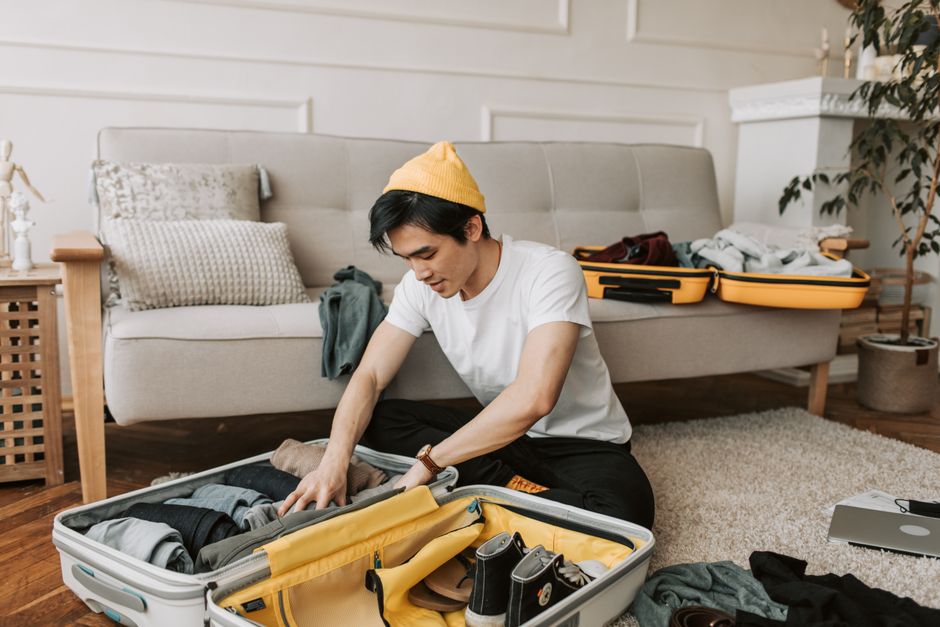
- Roll, Don’t Fold: Rolling clothes saves space and reduces wrinkles. Use packing cubes to organize by category.
- Wear Your Bulkiest Items: On travel day, wear your heaviest coat and boots to free up luggage space.
- Use Every Nook: Stuff socks and underwear inside shoes. Fill empty spaces with small items.
- Layer in Order: Place heavier items at the bottom of the suitcase near the wheels for stability.
Common Packing Mistakes
- Overpacking: You’ll buy things abroad. Stick to the essentials and leave room for new purchases.
- Ignoring Airline Restrictions: Check baggage allowance and weight limits. Budget airlines can be strict.
- Packing Prohibited Items: Certain foods, plants, and animal products are banned. For example, Australia has strict biosecurity laws; check the Australian Border Force website for details.
- Forgetting Seasonal Needs: If you arrive in summer but will stay through winter, either pack off-season clothes or budget to buy them.
- Not Labeling Luggage: Use a distinctive tag and put your contact info inside and outside each bag.
Pro Tip: Create a master checklist and start packing a week in advance. This gives you time to remember forgotten items and avoid last-minute panic.
Adjusting to Your New Home: Beyond the Suitcase
Once you arrive, the real adventure begins. Unpacking and organizing your new space can help you settle in. Take advantage of orientation programs to meet people and learn about campus resources. Remember, most universities have international student offices that offer support with everything from visa issues to cultural adjustment.
If you feel overwhelmed, it’s normal. Reach out to fellow students, join clubs, and explore your new city. The items you packed are just tools; your adaptability and open mind are what will truly make your experience unforgettable.
FAQ
What should I absolutely not pack in my checked luggage?
All essential documents (passport, visa, offer letter), medications, electronics (laptop, phone), valuables, and a change of clothes should be in your carry-on. Checked luggage can be delayed or lost, so keep everything critical with you.
How can I avoid overweight baggage fees?
Weigh your luggage at home with a portable scale. Wear heavy items during travel, and consider shipping some belongings via cargo if necessary. Many airlines offer student discounts with extra baggage allowance—check your ticket conditions.
Are there any items I should buy after arriving instead of packing?
Yes, bulky items like bedding, towels, and kitchenware are best bought locally. Also, toiletries and hair appliances (due to voltage differences) are easier to purchase upon arrival. Check if your university offers a welcome pack or second-hand sales.
How do I pack for multiple seasons in one suitcase?
Use layering pieces and packable items. A lightweight down jacket, thermal base layers, and a rain shell can adapt to various climates. Vacuum compression bags are a game-changer for bulky winter clothes. Remember, you can always buy seasonal clothing at thrift stores or during sales.